
 Igor Grant, MD, FRCP(C)
Distinguished Professor of Psychiatry
Director, Center for Medicinal Cannabis Research
UC San Diego
Igor Grant, MD, FRCP(C) is Mary Gilman Marston Distinguished Professor of the Department of Psychiatry at the University of California, San Diego School of Medicine. Since 2000, Dr. Grant has been Director of the State of California funded Center for Medicinal Cannabis Research (CMCR). He is also the Director of the HIV Neurobehavioral Research Program (HNRP), which encompasses a broad range of interdisciplinary HIV studies including the California NeuroAIDS Tissue Network (CNTN), the HIV Neurobehavioral Research Center (HNRC), and the CNS HIV Antiretroviral Therapy Effects Research (CHARTER). Dr. Grant is the founding Editor of the Journal of the International Neuropsychological Society and founding co-editor of the journal AIDS and Behavior.

Mahmoud ElSohly, PhD - 2025 Recipient of the combined CMCR Pioneer in Medicinal Cannabis Research and Advancing Cannabis and Cannabinoids as Therapeutics Awards
Research Professor & Professor of Pharmaceutics and Drug Delivery
National Center for Natural Products Research, University of Mississippi
Director, NIDA Marijuana Project
President and Laboratory Director, ElSohly Labs, Inc.
Dr. ElSohly has been at the University of Mississippi since 1975 and in 1985 he started a private laboratory ElSohly Labs, Inc. (ELI) in Oxford, MS, which is an analytical laboratory specializing in providing drug testing services to the industry and also a product development laboratory with a successful SBIR and STTR funding. In 2002 ELI received the National Tibbetts Award for outstanding contributions to the SBIR Program.
Dr. ElSohly is board certified by the American Board of Forensic Examiners and the American Board of Forensic Medicine, and ELI is certified by (DHHS) and the College of American Pathologists since 1988.
Dr. ElSohly has been active in NIH funding over the years with over 1.5 million dollars/year. He authored or coauthored over 400 peer-reviewed publications and over 30 patents.
In 2011 Dr. ElSohly received the University of Pittsburgh’s Legacy Laureate Award, in 2013 the UM Research and Creative Achievement Award and the (ICRS), Life time Achievement Award, and in 2016 the Alexander O. Gettler Award from the (AAFS).
 Marilyn Huestis, AB, MS, PhD - 2023 Recipient of the CMCR Pioneer in Medicinal Cannabis Research Award
Professor
Senior Fellow, Institute of Emerging Health Professions, Thomas Jefferson University
President of Huestis & Smith Toxicology, LLC
Professor Dr. Dr. (h.c.) Marilyn Huestis retired as Chief, Chemistry and Drug Metabolism, NIDA, NIH after 23 years of conducting controlled drug administration studies. She currently is a Senior Fellow, Institute on Emerging Health Professions, Thomas Jefferson University, Adjunct Professor, University of New Mexico College of Pharmacy, Honorary Professor, Queen Mary University of London and President, Huestis & Smith Toxicology. Her research program focuses on the neurobiology and pharmacokinetics of cannabinoid agonists, kratom/mitragynine, driving under the influence of drugs, and mass spectrometry. She published 585 peer-reviewed manuscripts. Professor Huestis received an AB in biochemistry, Mount Holyoke College, MS in clinical chemistry, University of New Mexico, PhD in toxicology, University of Maryland and a Doctor Honoris Causa, Faculty of Medicine, University of Helsinki, Finland. She received many prestigious awards including recently the 2025 Widmark Award ICADTS, 2023 CMCR Pioneer in Medicinal Cannabis Research Award, 2023 Mechoulam Award ICRS, 2021 AACC Outstanding Lifetime Achievement Award, and 2021 NSC Distinguished Service to Safety Award. Clinical Chemistry featured her as an “Inspiring Mind”. She serves on WADA’s Prohibited List Committee, and NSC Alcohol, Drugs and Impairment Division Executive Board. She is a SOFT past president, AAFS past Toxicology Chair, and TIAFT past president.
 Margaret (Meg) Haney, PhD - 2023 Recipient of the CMCR Award for Advancing Cannabis and Cannabinoids as Therapeutics
Professor of Neurobiology (in Psychiatry)
Columbia University Irving Medical Center
Dr. Margaret (Meg) Haney is a Professor of Neurobiology (in Psychiatry) at the Columbia University Irving Medical Center. As the Director of the Cannabis Research Laboratory and Co-Director of the Substance Use Research Center, Dr. Haney is internationally recognized for her expertise in cannabis and cannabinoids. Her current work focuses on: (1) conducting placebo-controlled studies testing the efficacy of potential treatment medications for Cannabis Use Disorder, and (2) testing the potential therapeutic effects of cannabis and its constituents for a range of indications, including pain and appetite-enhancement. Dr. Haney’s research has been continuously supported by the National Institute of Health since 1999. She has authored nearly 160 articles in peer-reviewed journals, 12 book chapters, is an Associate Editor for Cannabis and Cannabinoid Research, is an Advisory Editor for Psychopharmacology, and co-edited Neuropsychopharmacology Reviews 2018, Cannabis and Cannabinoids: From Synapse to Society. Dr. Haney is a longstanding participant in NIH review groups and advisory councils, is an elected Fellow at the American College of Neuropsychopharmacology and is a past President of the College on Problems of Drug Dependence (2019).
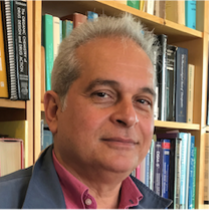 Daniele Piomelli, PhD, MD (hon) - 2022 Recipient of the CMCR Pioneer in Medicinal Cannabis Research Award
Distinguished Professor
UC Irvine
Dr. Daniele Piomelli studied pharmacology and neuroscience with James Schwartz and Eric Kandel at Columbia University (1983-1988), and with Paul Greengard at the Rockefeller University (1988-1990). In 2000, Kandel and Greengard were awarded the Nobel Prize for contributions to physiology and medicine. After working at the INSERM in Paris and at the Neurosciences Institute in San Diego, with Nobel Laureate Gerald Edelman, Daniele joined the University of California, Irvine, where he is now Louise Turner Arnold Chair in Neurosciences and Distinguished Professor of Anatomy and Neurobiology. Daniele is an author of 415 peer-reviewed articles in journals such as Nature, Science, Nature Medicine, PNAS and Nature Neuroscience, three full-length books, and 34 patents. He founded the department of drug discovery and development at the Italian Institute of Technology in Genoa (Italy), which he directed from 2007 to 2016, and three biopharmaceutical start-ups based on discoveries made in his lab. Since 2018, Daniele serves as Editor-in-Chief of Cannabis and Cannabinoid Research, the only peer-reviewed journal dedicated to the study of cannabis, its derivatives, and their endogenous counterparts in the human body. He directs the NIDA Center of Excellence ICAL (Impact of Cannabinoids Across the Lifespan) and UCI’s Center for the Study of Cannabis.
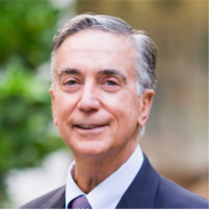 Donald I. Abrams, MD - 2022 Recipient of the CMCR Award for Advancing Cannabis and Cannabinoids as Therapeutics
Professor Emeritus of Medicine
UC San Francisco
Donald I. Abrams, MD is Professor Emeritus of Medicine at the University of California San Francisco. He received an A.B. in Molecular Biology from Brown University and his MD from the Stanford University School of Medicine. After completing an Internal Medicine residency at the Kaiser Foundation Hospital in San Francisco, he became a fellow in Hematology/Oncology at the University of California San Francisco in 1980 as the AIDS epidemic was emerging. He was one the original clinician/investigators to recognize and define many early AIDS-related conditions at San Francisco General Hospital where he also served as chief of Hematology-Oncology for 14 years. Long interested in clinical trials of complementary and alternative medicine interventions for HIV/AIDS and cancer, he received funding from the National Institute on Drug Abuse to conduct a study of the short-term safety of cannabinoids in HIV infection in 1997. Subsequently he received grants from the University of California Center for Medicinal Cannabis Research to complete a placebo-controlled trial of cannabis in patients with HIV-related peripheral neuropathy as well as a study evaluating vaporization as a smokeless delivery system. He conducted NIH-funded trials investigating the pharmacokinetic interaction between cannabis and opioid analgesics in chronic pain and cannabis in patients with sickle cell pain. He was a member of the National Academies of Sciences, Engineering and Medicine’s committee that published The Health Effects of Cannabis and Cannabinoids: Current State of Evidence and Recommendations for Research in January 2017.
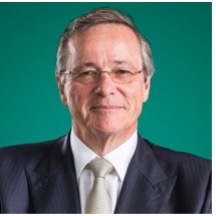 Geoffrey Guy, MBBS LRCP MRCS LMSSA Dip Pharm Med BSc DSc - 2019 Recipient of the CMCR Award for Advancing Cannabis and Cannabinoids as Therapeutics
With over 30 years of experience in medical research and global drug development, Dr. Geoffrey Guy is the founder of GW Pharmaceuticals and has served as its Chairman since 1998. Dr Guy holds a BSc. in pharmacology from the University of London, an MBBS at St. Bartholomew’s Hospital, an MRCS Eng. and LRCP London, an LMSSA Society of Apothecaries and a Diploma of Pharmaceutical Medicine from the Royal Colleges of Physicians.
Geoffrey founded the drug delivery company Ethical Holdings plc in 1985 (now called Amarin Corporation plc). As Chairman and Chief Executive, he led the company to its NASDAQ listing in 1993. He also founded Phytopharm plc in 1989, of which he was Chairman until 1997.
Geoffrey has been the physician in charge of over 200 clinical studies, including those determining the first dose of clinical trial drugs in man; pharmacokinetics, pharmacodynamics, dose-ranging and controlled clinical trials; and large-scale, multi-centered studies and clinical surveys. He is also an author on numerous scientific publications and has contributed to six books.
Geoffrey was appointed as Visiting Professor in the School of Science and Medicine at the University of Buckingham in July 2011. He received the Deloitte Director of the Year Award in Pharmaceuticals and Healthcare in 2011, was appointed Visiting Professor at the University of Westminster in 2016 and was awarded an honorary DSc from the University of Reading in 2016.

Sagnik Bhattacharyya, MD, PhD
Professor of Translational Neuroscience and Psychiatry, King’s College London, London, UK
 Kristin Cadenhead, MD
Professor of Psychiatry, UC San Diego
Senior Psychiatrist, Dana-Farber Cancer Institute
Dr. Cadenhead, currently a Professor of Psychiatry, has been at UCSD since 1987 where she completed her Residency in Psychiatry and Fellowship in Schizophrenia Research. She has been actively involved in teaching and mentoring since serving as a Chief Resident then as an Attending Physician at the UCSD and VA Medical Centers. Dr. Cadenhead is the Director of the Cognitive Assessment and Risk Evaluation (CARE) Early Psychosis Program at UCSD (www.ucsdcareprogram.com). She is internationally known for her expertise in early psychotic illness and has received recognition as a "Highly Cited Researcher" and "San Diego Top Doc". Dr. Cadenhead has worked extensively with young patients suffering from psychotic disorders as part of the CARE Clinic at UCSD, offering state of the art evidenced based treatment. Her primary research interests include psychosis risk prediction, biomarkers and treatment in the early phases of a psychotic illness. Her research projects are focused on biomarkers associated with psychosis risk and innovative treatments for psychosis using Compensatory Cognitive Training, Cognitive Behavioral Social Skills Training, Cannabidiol, Omega 3 Fatty Acid, Mindfulness, Family Focused Therapy and biomarker informed pharmacologic treatment.

Michael Camilleri, MD, DSC
Clinical Enteric Neuroscience and Translational and Epidemiological Research (CENTER)
Division of Gastroenterology and Hepatology, Mayo Clinic, Rochester, Minnesota
Dr. Camilleri is interested in understanding why patients develop disorders of gastrointestinal motility and function and how best to diagnose and treat them with approved medications and untested remedies. He is also interested in understanding the factors that determine people's appetites, since he believes this is one of the key factors to the control of obesity. Through diverse methods (many of them developed in his lab at Mayo Clinic), Dr. Camilleri studies gastrointestinal diseases that arise within the gut itself, as well as diseases in which the gastrointestinal tract is secondarily affected by conditions such as diabetes mellitus, scleroderma and neurological diseases. This investigation involves multiple areas of focus, from genetics to the nerves, muscles, lining and content of the gastrointestinal tract. Dr. Camilleri holds several R01 and American Recovery and Reinvestment Act (ARRA) grants from the National Institutes of Health (NIH), was a recipient for 10 years of a K24 (mentorship, mid-career award) from NIH, and serves as a mentor for junior staff and medical trainees in the field of clinical enteric neuroscience research. Research trainees in his lab participate in Mayo Graduate School programs, particularly the master's degree in clinical research.
 Marieka DeVuono, PhD
Department of Anatomy and Cell Biology
Schulich School of Medicine & Dentistry, Western University, London, Ontario, Canada
Dr. DuVuono is a BrainsCAN Postdoctoral Associate investigating the neuropsychopharmacology of cannabis and the endocannabinoid system, with particular interest in Cannabinoid Hyperemesis Syndrome and developmental cannnabis exposure.
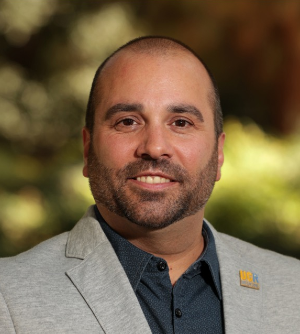 Nicolas DiPatrizio, PhD
Professor of Behavioral Health and Psychiatry
UC Riverside
Dr. DiPatrizio is Professor of Biomedical Sciences in the School of Medicine at the University of California Riverside, and founding Director of the UCR center for Cannabinoid Research. A native of the Philadelphia area, Dr. DiPatrizio received his bachelor’s degree in psychology from Temple University and his Ph.D. in biomedical sciences and neuroscience from Drexel University College of Medicine. He then moved to California in 2008 for his postdoctoral fellowship in the laboratory of Dr. Daniele Piomelli at the University of California Irvine School of Medicine. In 2014, Dr. DiPatrizio launched his independent research program at UCR. The DiPatrizio laboratory investigates roles for the endocannabinoid system in the integrative neurobiology and physiology that controls food intake, energy homeostasis, and reward, and dysregulation of these pathways in metabolic disorders. Moreover, the DiPatrizio laboratory studies the impact of cannabis exposure on endocannabinoid system function in metabolic health and disease. This work will support the discovery and development of novel therapeutic strategies to safely treat obesity and related metabolic disorders.
 Deepak D’Souza, MD
Professor of Psychiatry
Yale University School of Medicine
Dr. D’Souza is a Professor of Psychiatry, Yale University School of Medicine and a staff psychiatrist at VA Connecticut Healthcare System (VACHS). Born in MHOW, India, he lived all over India. He received his medical degree from John’s National Academy of Health Sciences, Bangalore, India in 1986 and completed his psychiatric residency at State University of New York Downstate in 1992 followed by a postdoctoral fellowship in Psychopharmacology and Neurosciences at Yale University School of Medicine. He then joined the faculty in the Dept. of Psychiatry at Yale and VA Connecticut Healthcare System. He is an active clinician, teacher and researcher, with almost 25 years of experience.
He directs the Neuropsychiatry Program at VA Connecticut, the clinical service that cares for veterans with serious mental illnesses. He is actively involved in teaching residents. In recognition of his contributions as a teacher, he received the Yale Psychiatry resident’s teaching award in 2008. He also directs the VA Schizophrenia Research Fellowship program which has contributed to the development of several promising researchers.
He directs the Schizophrenia Neuropharmacology Research Group at Yale (SNRGY). His research includes three approaches. First, he has been using psychopharmacological probes such as ketamine, amphetamine, THC to evaluate the contributions of various neurotransmitter systems to the pathophysiology of psychosis, cognitive deficits, and reward processing. Second, he conducts clinical phase 1 to phase 4 trials in schizophrenia, MDD and cannabis dependence to develop new treatments. Finally, he is using neuroreceptor imaging (PET and previously SPECT) to study schizophrenia and cannabis dependence. His research is funded by the U.S. National Institute of Drug Abuse, the National Institute of Mental Health, the National Institute of Alcoholism and Alcohol Abuse, VA R&D and several foundations. His work has been published in the highest impact Psychiatry journals including Molecular Psychiatry, Biological Psychiatry, American Journal of Psychiatry and Neuropsychopharmacology. He is recognized as a leading expert on the relationship between cannabinoids and psychosis.
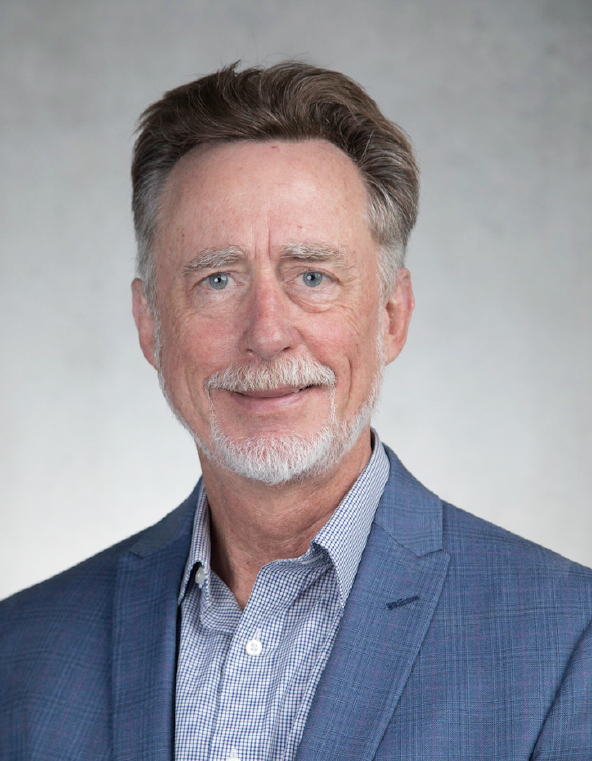 Ron Ellis, MD, PhD
Professor of Neurosciences
UC San Diego
Dr. Ellis is a neurologist and Professor of Neurosciences at UC San Diego. I do both laboratory and clinical work on how HIV causes problems such as cognitive impairment and neuropathy. I work on HIV neurocognitive disorders and neurological effects of antiretroviral therapy and serve as director of the HIV Neurobehavioral Research Center (HNRC). I participate in national and international groups such as the AIDS Clinical Trials Group (ACTG) and the HIV and Aging Community Perspective working group. I served as PI on a randomized crossover trial showing analgesic efficacy of smoked cannabis for HIV neuropathic pain provided a rigorous clinical benchmark for cannabinoid therapeutics (PMID 18688212), work that underpins my current NIHfunded work on endocannabinoids, the microbiome, and neuroinflammation.
 Jeffry Florian, PhD
Associate Director, Office of Clinical Pharmacology, Division of Applied Regulatory Science
Center for Drug Evaluation and Research (CDER)
Food and Drug Administration
Dr. Florian's work includes clinical trial design, drug-disease modeling, and biomarker identification for biosimilar development. He is prominently involved in expanding the clinical study research capabilities within the Division of Applied Regulatory Science (DARS). His work spans topics such as sunscreen absorption, biomarker identification for biosimilar development, opioid safety with concomitant medications, opioid antagonist drug development and use, and urinary excretion of ranitidine metabolites.
 Guido Frank, MD
Professor of Psychiatry
UC San Diego
Dr. Frank is a Professor of Psychiatry at the University of California San Diego and a board-certified adult, child, and adolescent psychiatrist. He earned his medical degree from the Ludwig-Maximilians-University in Munich, Germany. He trained in psychosomatics at the Center for Behavioral Health Klinik Roseneck, Prien, Germany, and then at the Western Psychiatric Institute and Clinic, University of Pittsburgh, and the University of California San Diego, USA. Dr. Frank has been studying the neurobiology of eating disorders for the past 25 years and has been funded through the National Institute of Mental Health and numerous private foundation grants for the past fifteen years. His overarching goal is to develop translational models that bridge clinical presentation with neuroscience to develop more effective treatments for eating disorders.
 David J. Grelotti, MD
Professor of Psychiatry
Medical Director, Center for Medicinal Cannabis Research
UC San Diego
Dr. Grelotti is an Associate Professor of Psychiatry and the Medical Director of the Center for Medicinal Cannabis Research (CMCR) at the University of California San Diego. An adult and child psychiatrist, he graduated from medical school at the Johns Hopkins University School of Medicine and completed residency and fellowship training at Harvard Medical School. With colleagues at the CMCR, he is conducting studies of cannabis, cannabinoids, and the endocannabinoid system in a variety of health conditions and on driving.
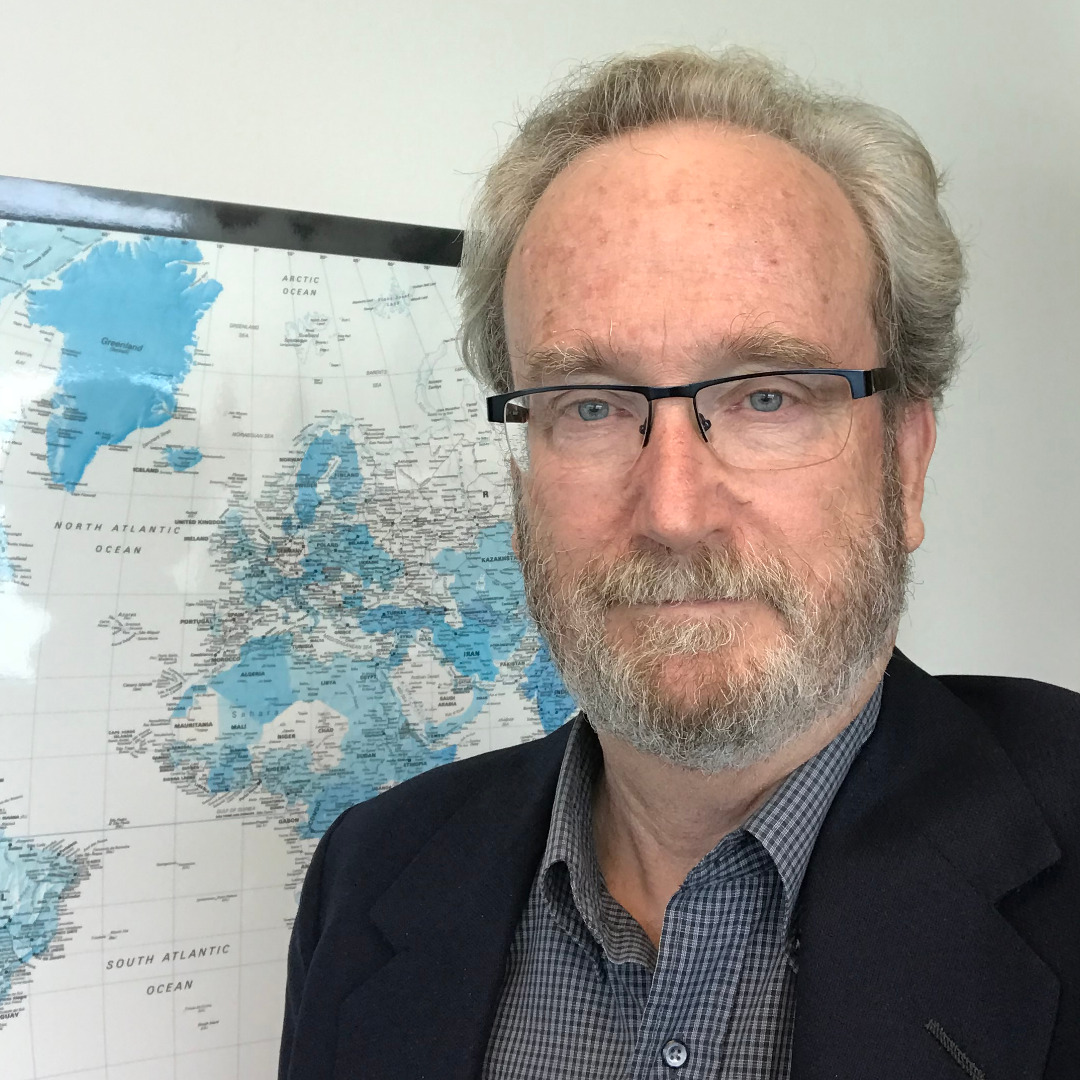 Steve Gust, PhD
Advisor to Center for Medicinal Cannabis Research (CMCR)
Chair, CMCR National Advisory Committee
Dr. Gust is currently an advisor to CMCR. He has recently retired from the National Institute on Drug Abuse where he had over 30 years of experience developing and managing research programs on drug abuse and addiction, including over 20 years of managing the USG cannabis research and production programs. He has developed an extensive knowledge of the regulatory requirements for conducting research on cannabis and its constituents, including experience with the DEA and FDA. He also chaired the NIDA Cannabis Science Interest group and represented the Institute to many governmental and non-governmental organizations.
 F. Markus Leweke, MD
Brain and Mind Centre
The University of Sydney, Camperdown, New South Wales, Australia
Dr. Leweke is Professor and Chair in Youth Depression Studies at the Brain and Mind Centre of the University of Sydney since 2017. His lab uses a translational neuroscience approach to investigate neurobiological systems such as the endocannabinoid system in severe mental illness (such as schizophrenia, bipolar disorder or PTSD) using early, conceptual clinical trials and basic research in animal models. This combines the use of tools such as neurochemistry, molecular imaging and genetics with clinical assessment. Thereby, aiming to discover mechanisms to develop new neuromodulatory treatments.
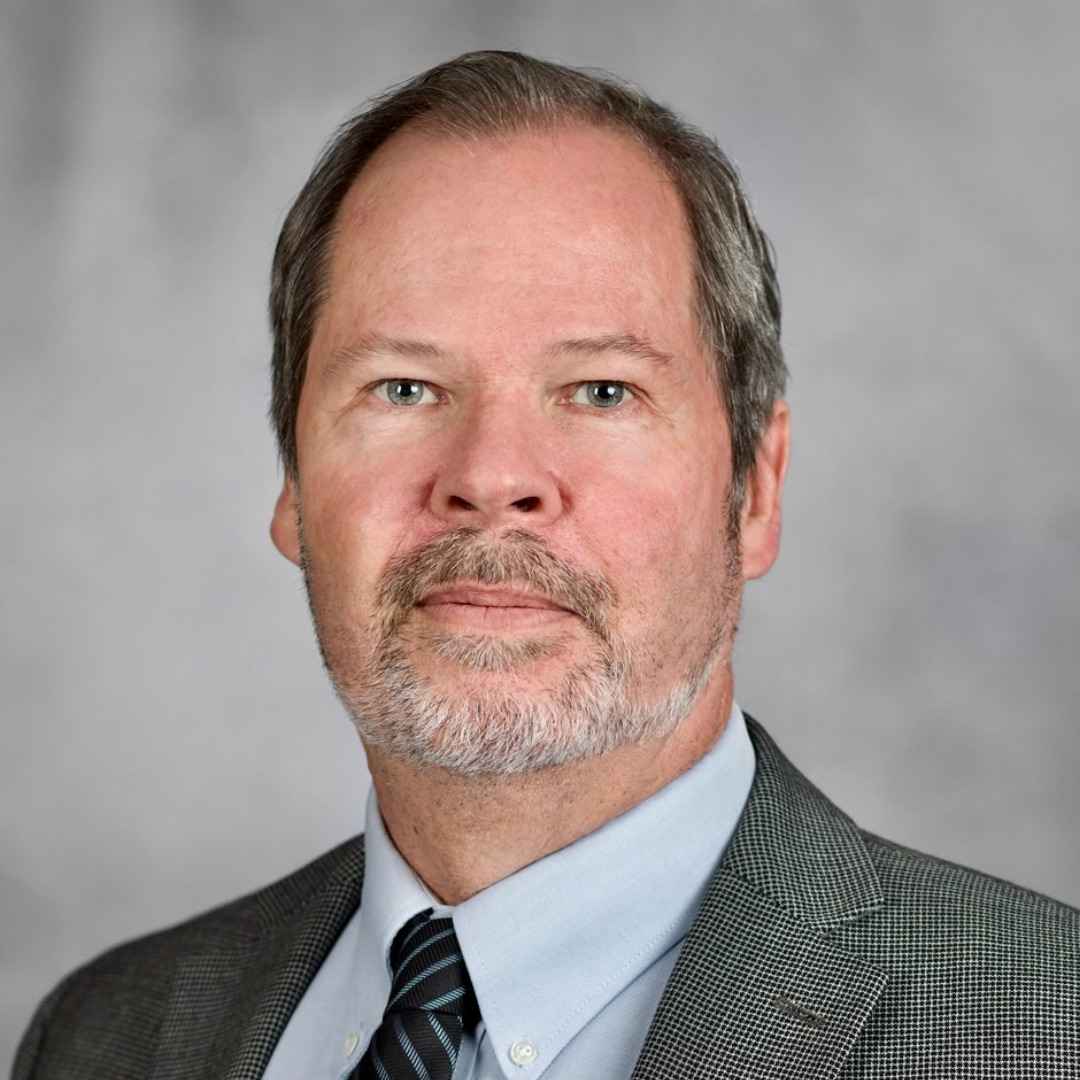 Thomas Marcotte, PhD
Professor of Psychiatry
Co-Director, Center for Medicinal Cannabis Research
UC San Diego
Dr. Marcotte is Professor of Psychiatry at the University of California, San Diego, and Co-Director of the Center for Medicinal Cannabis Research at UC San Diego (www.cmcr.ucsd.edu), which has conducted clinical trials of cannabis for almost 20 years, and has an active, ongoing portfolio exploring the effects of cannabinoids (plant-based, synthetic) in various medical/psychiatric conditions. He is the principal investigator (PI) on studies of the effects of acute cannabis use, and cannabis and alcohol use, on driving performance, and has also been the PI on numerous HIV studies evaluating the impact of HIV-associated neurocognitive disorders on real-world functioning, including driving. He serves on a number of impaired-driving task forces, and previously was on the editorial boards of Neuropsychology and the Journal of the International Neuropsychological Society. He is currently the PI on a study addressing cannabis for the treatment of pain, and has previously been co-investigator on cannabis studies examining pain, and spasticity in multiple sclerosis.
Texas Biomedical Research Institute, San Antonio, TX
Dr. Mohan’s laboratory seeks to investigate epigenetic mechanisms, in particular, the role of microRNAs (miRNAs), long noncoding RNAs (lncRNAs) and DNA methylation in the molecular pathogenesis of HIV/SIV induced gastrointestinal, neurological and cardiovascular comorbidities. Through new collaborations, Dr. Mohan’s lab is also exploring the use of novel non-invasive technologies for the delivery of long-acting ART drugs and gene therapy vectors into the brain to reduce viral persistence. Currently, his laboratory is extending the cannabinoid studies to other chronic inflammatory diseases such as Tuberculosis and Alzheimer’s disease using the unique rhesus macaque model of tuberculosis, and the aged Baboon model of Alzheimer’s disease, respectively.

Dr. Ortiz earned his PhD in 2001 from UC Santa Cruz, studying the endocrinology of prolonged fasting in the Northern elephant seal before completing a postdoc in the Department of Physiology at Tulane School of Medicine under the tutelage of Dr. Gabby Navar (then chair of the department), where he studied hypertension and renal diseases. He became a founding faculty member at UC Merced in 2004, ascending to Full Professor in 2015 and chair of the Department of Molecular & Cell Biology from 2017-2020. Rudy’s current research extends into the study of altered nutrition and metabolic dysfunction during cardiovascular and renal diseases, and endocrine signaling pathways associated with these disorders with a particular emphasis on the medicinal potential of cannabidiol to ameliorate these metabolic defects. He is a past CMCR-funded investigator. He is a current Program Director of USDA HSI Education and NIH training grants. He was a member of the 5th cohort of HACU’s La Academia de Liderazgo program.
 Pablo Salcedo, MD
Division of Applied Regulatory Sciences, Office of Clinical Pharmacology
Center for Drug Evaluation and Research (CDER), Food and Drug Administration
Dr. Salcedo designs, executes, and analyzes FDA-led clinical studies for topics such as ECG biomarkers and opioid safety in his work at the FDA's Division of Applied Regulatory Science. Before joining the FDA, he was a contractor for Booz Allen Hamilton, serving as a research scientist for the National Evaluation of Health Technology (NEST), an initiative of CDRH's Medical Device Innovation Consortium, where he oversaw real-world evidence test cases for medical devices.

Dr. Sela's lab seeks to contribute new scientific knowledge through mentorship of researchers broadly interested in food's role in health and wellness. Their research activities often rely on sequence-based approaches employed to investigate the genomics and ecology of commensal microorganisms. Moreover, they are determined to characterize mechanistic linkages with health emanating from host-microbial interactions.
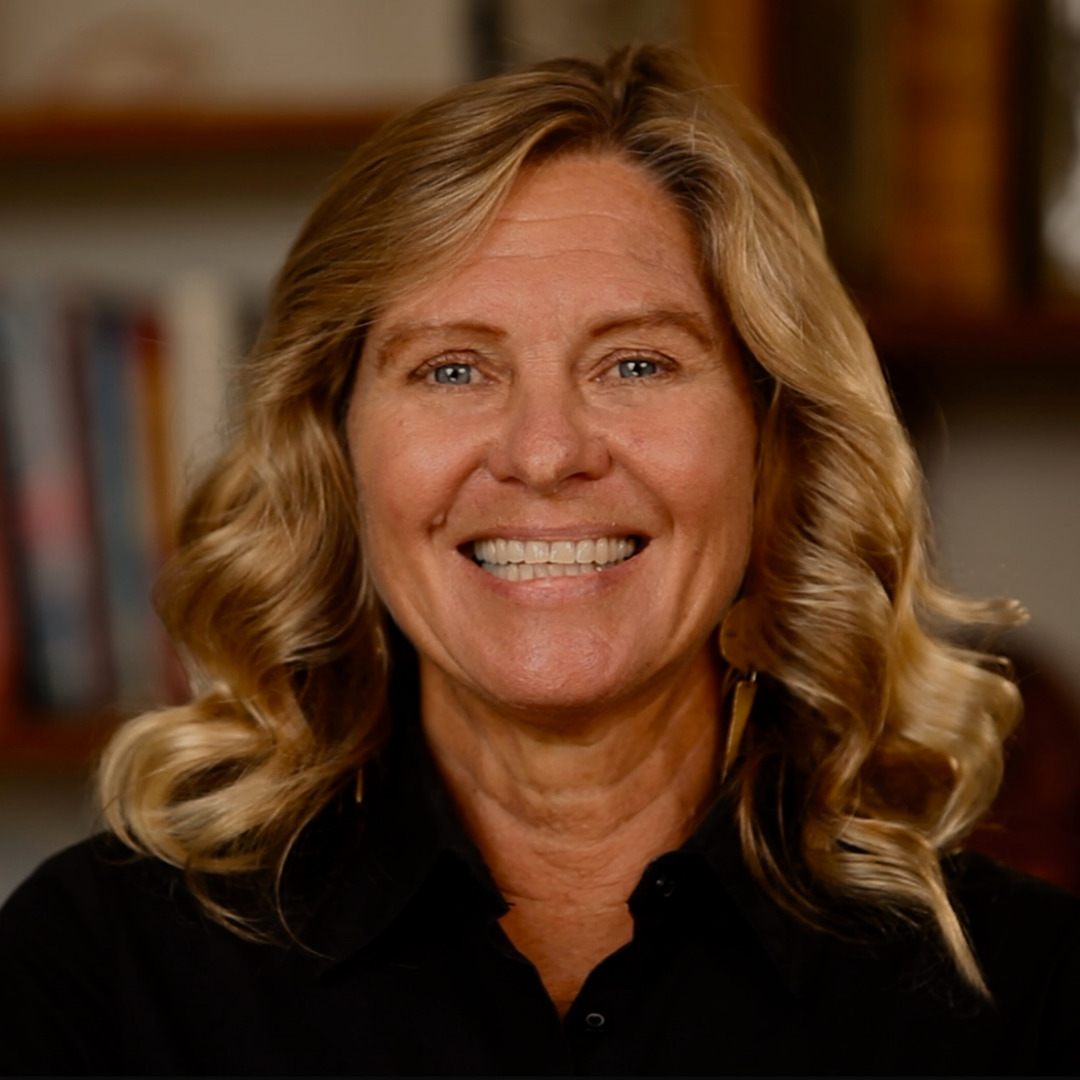 Michelle Sexton, ND
Medical Staff Professional, Center for Integrative Medicine
UC San Diego
Dr. Sexton is a Naturopathic Doctor, graduated from Bastyr University in Seattle, WA. She completed pre- and post-doctoral fellowships at the University of Washington, formally studying the endocannabinoid system. Her NIH-funded pre-doctoral and postdoctoral research investigated cannabis use and cannabinoid impact on neuroinflammation and neurodegeneration. She has continued research into health effects of cannabis at UCSD as Assistant Adjunct Professor in the Department of Anesthesiology. She is currently affiliated with the UCSD Center for Integrative Medicine. Dr. Sexton’s clinical practice, research and teaching focus on the endocannabinoid system and roles in integrative medicine across the lifespan. Dr. Sexton has presented her research internationally and published 24 papers in peer-reviewed journals. She is a member of the International Cannabinoid Research Society, the International Association of Cannabinoid Medicine the California Naturopathic Doctors Association, and the American Association of Naturopathic Doctors. She maintains a private medical practice in San Diego, CA. When not caring for patients or pursuing research activities, you can find her in the garden, paying music, playing with grandchildren, swimming or riding her bike to the beach for a surf session!
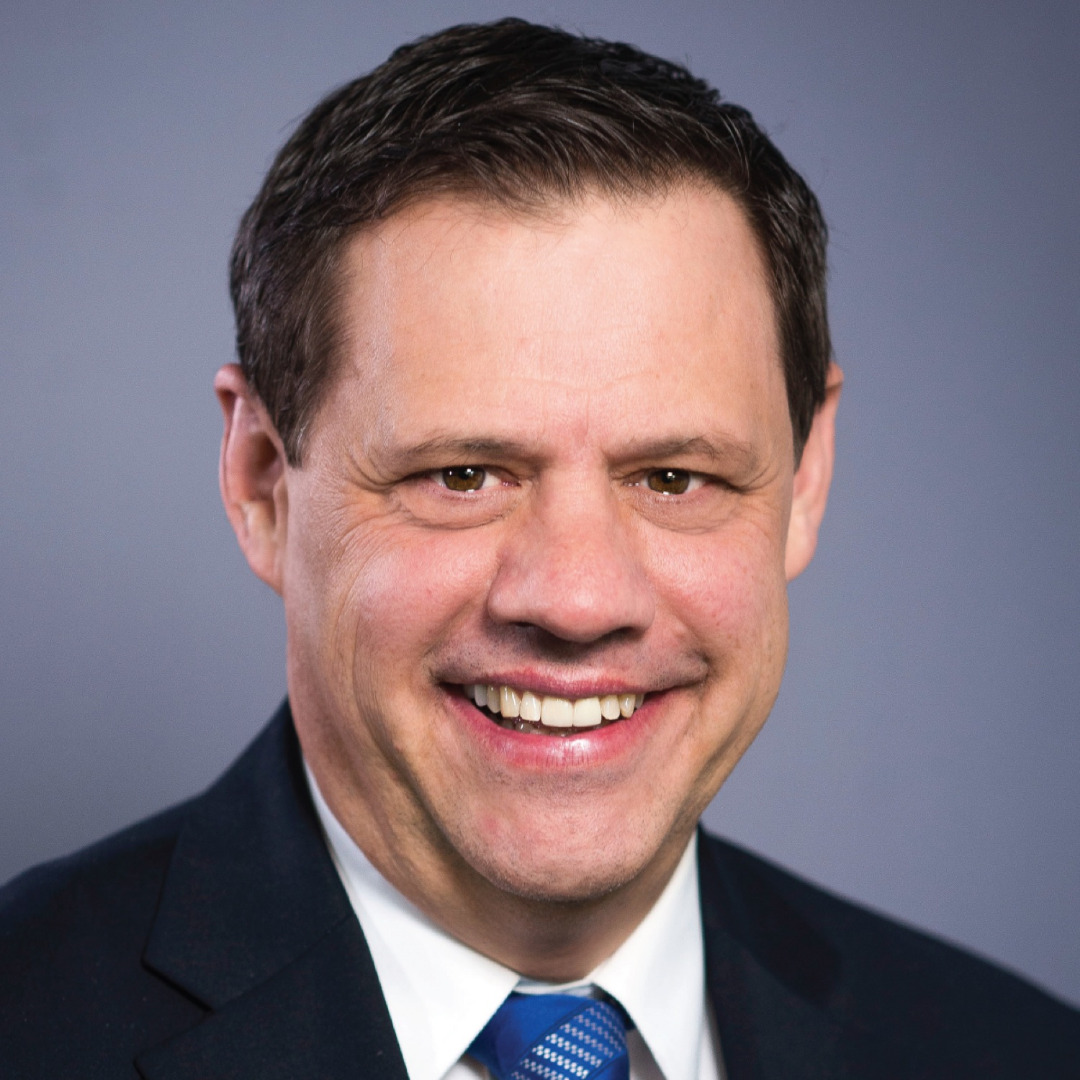 David Shurtleff, PhD
Deputy Director, National Center on Complementary and Integrative Health (NCCIH), National Institutes of Health
Cannabis and cannabinoid research at NIH
David Shurtleff, PhD, is Deputy Director of the National Center for Complementary and Integrative Health (NCCIH) at the National Institutes of Health (NIH), the leading Federal agency for research on integrative and complementary health practices. Dr. Shurtleff is also the Acting Scientific Director and Acting Chief for both the Clinical Investigations Branch and the Pain and Integrative Neuroscience Branch, Division of Intramural Research. He served as Acting Director of NCCIH from October 2017 to November 2018.

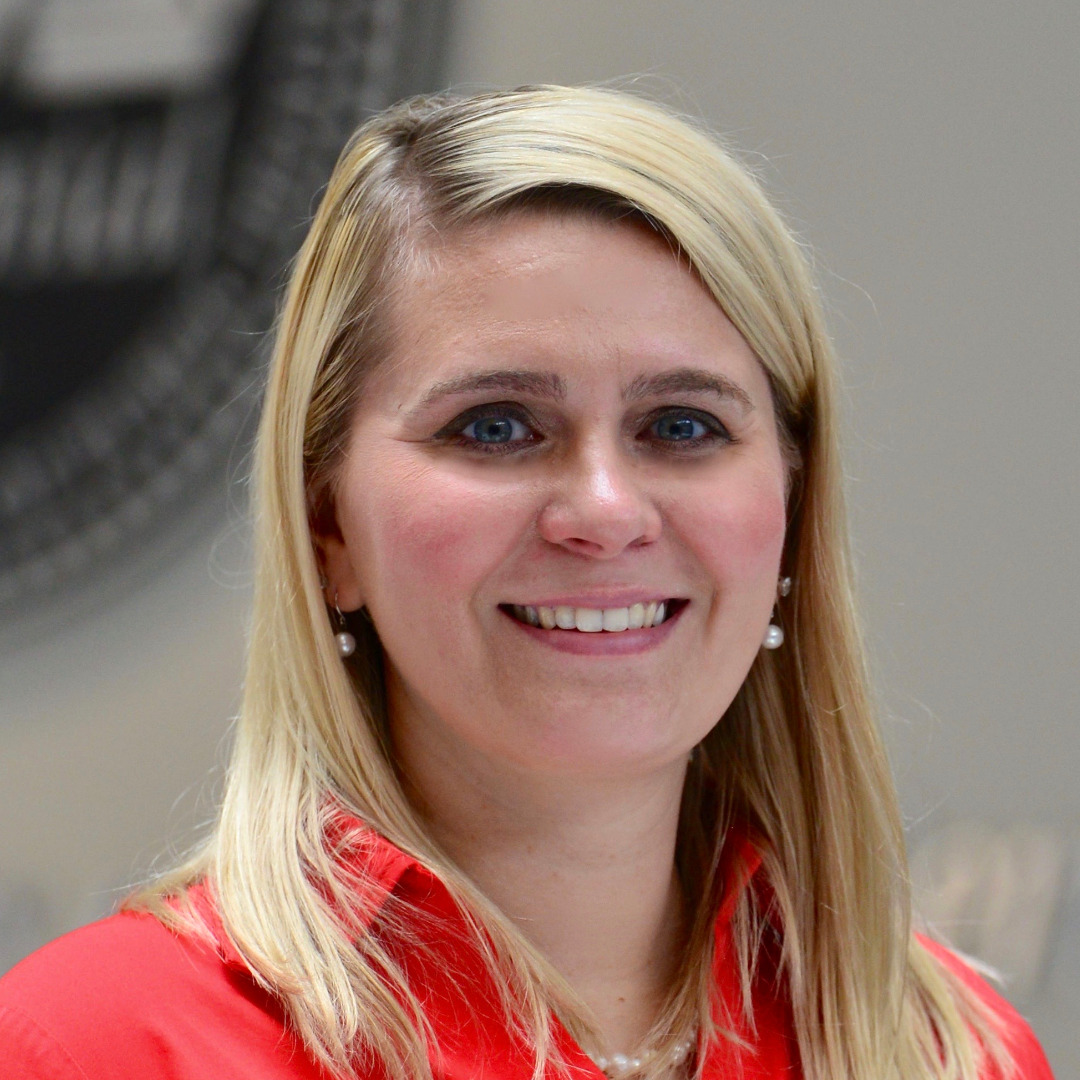

Dr. Weiss is the Director, Division of Extramural Research at the National Institute on Drug Abuse (NIDA), which oversees NIDA’s extramural programs, operations planning, and trans-NIH initiatives, including the Adolescent Brain Cognitive Development (ABCD®) Study and the HEALthy Brain Child Development (HBCD) Initiative. Dr. Weiss also serves as a senior science advisor to the NIDA Director and scientific liaison to the NIH, HHS, and other Federal Agencies. Previously, she served as the Chief of the Science Policy Branch and Acting Director of NIDA's Office of Science Policy and Communications.

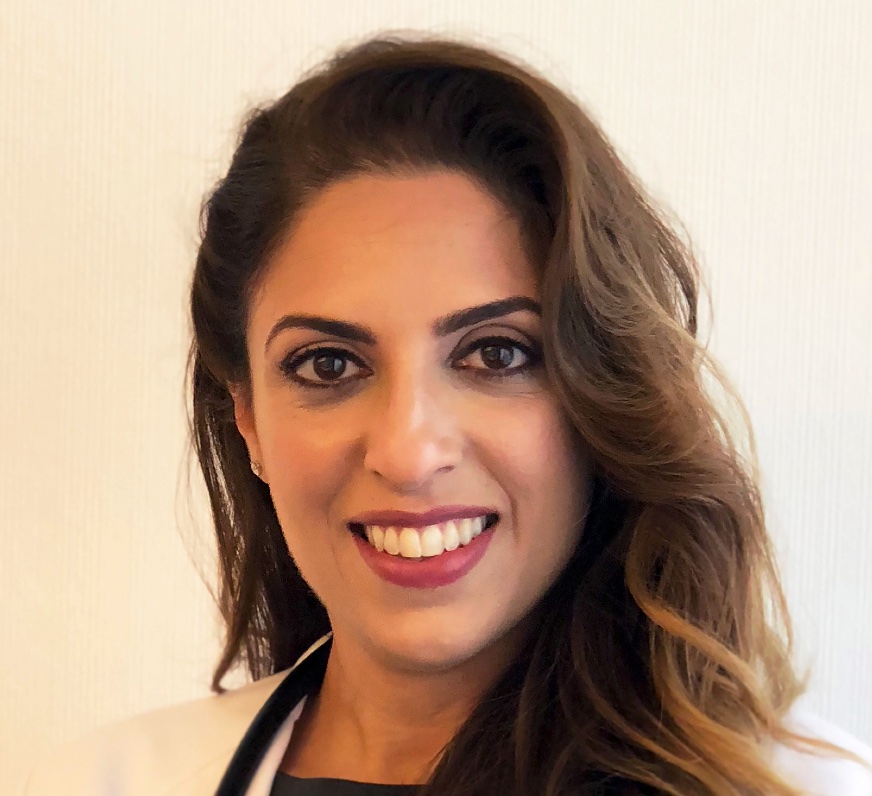
Dr. Yafai is a Cannabis Specialist and Board-Certified Emergency Medicine physician since 2009. She started her medical career at UCSD Medical School and completed her training at UCSD in Emergency Medicine in 2009. After recreational marijuana laws had passed in California in 2017, Dr. Yafai felt compelled to open a private Cannabis Clinic, the ReLeaf Institute, to counsel patients interested in cannabis for wellness and disease related treatment. She is the past Co-Vice President of the Society of Cannabis Clinicians, a distinguished speaker for UCSD Center for Medical Cannabis Research, Pacific Neuroscience Institute, and multiple other medical programs. In addition to her work as a cannabis specialist, Dr. Yafai works as the Medical Director for the Women’s Health and Wellness Program at Providence St. John’s. Currently, Dr. Yafai is currently working on a research project funded by the Department of Cannabis Control alongside UCLA, establishing the needs of medical cannabis patients in a post-recreational environment.